CONSULAR WORLDS
The World that Consuls Made
British Diplomacy in Nineteenth-Century Greece
ABOUT
In the nineteenth century, consuls were far more than minor officials. They acted as diplomats, merchants, and legal authorities, bringing international politics into the everyday life of Mediterranean societies. This project investigates the “world consuls made” through the case of British consuls in Greece between 1832 and 1914—a period when Greek territorial expansion constantly redrew the map in the Eastern Mediterranean. Consuls who once operated under Ottoman or British authority found themselves embedded in a sovereign Greek state, negotiating shifting sovereignties, forging local ties, and competing with colleagues from other European states. Drawing on British and Greek archives and a prosopographical study of consular careers, the project reconstructs consular practices and networks as a lived, local form of diplomacy, producing the first open, searchable dataset on British consuls in Greece and five case studies—Syros, Corfu, Patra, Salonica, and Herakleion—that reveal the geographies of imperial diplomacy in action.
REOPENING THE CONSULAR ARCHIVE
Consuls were among the most ubiquitous representatives of foreign states in the nineteenth-century Mediterranean. Stationed not only in capitals but in ports, islands and provincial towns, they occupied a distinctive position between diplomacy and everyday life. Their correspondence recorded shipping and commerce, political developments and public opinion, disputes over property and jurisdiction, the movement of people, outbreaks of disease and moments of political crisis. Yet for much of the history of diplomacy, consuls remained in the shadow of ambassadors, treaties and foreign ministries.
Over the past two decades, a growing body of scholarship has begun to change this picture. Historians of the early modern and modern Mediterranean have reconstructed the consulate as a flexible institution whose functions encompassed commerce, jurisdiction, information, protection and political brokerage (Ulbert and Le Bouëdec 2006; Bartolomei et al. 2018). Research has also turned to the spaces in which consular activity took place, the relationships between consuls and merchant communities, and the formal and informal networks through which consuls operated (Grenet and Ulbert 2021). Other scholarship has connected the evolution of the consular institution to the development of modern diplomacy and the transformation of the nineteenth-century international system (Case 2018; Neumann and Leira 2020).
The Mediterranean and southeastern Europe have emerged as particularly fertile settings for this reassessment. Consuls operated across a region characterised by expanding commerce, overlapping jurisdictions, imperial transformation and the formation of new states. Recent research has examined European and Balkan consuls as actors in these processes. The French consular presence in the eastern Mediterranean has received particularly sustained attention, from the commercial, social and institutional worlds of the early modern consulate to its reliance on locally embedded personnel and intermediaries (Bartolomei et al. 2018; Grenet 2026). For the nineteenth century, work on French consuls in Greece and the Ottoman Empire has further demonstrated how information gathering, commercial interests, representation and political intervention could become closely intertwined (Massé 2019).
The British consular presence in the Greek world has received less systematic treatment. The wider network across nineteenth-century Greece—its personnel, connections, local relationships and changing functions—remains much less comprehensively mapped.
The World that Consuls Made returns to this archive from the ground up. Rather than treating consular reports simply as sources of information about nineteenth-century Greece, it approaches the archive as evidence of a world of relationships—and of changing forms of authority. What happened to consular presence, privilege and jurisdiction as territories passed from empires and other forms of rule into the jurisdiction of the Greek nation-state? How did consuls adapt as sovereignty was redefined and the legal and political environments in which they operated changed? Who became a consul, and with whom did consuls correspond, trade and socialise? Who approached a consulate for assistance or protection, and how did local communities use foreign representatives for their own purposes? Finally, how did information gathered in Syra, Patras, Corfu, Salonica, Herakleion or Kalamata travel from the locality to Athens, Constantinople and London?
Reconstructing these networks allows us to see diplomacy from the port and the provincial town as well as from the capital. It opens a larger question at the heart of the project: what can the consular archive tell us about how international relations were actually made and experienced on the ground?
SUGGESTED READING
Bartolomei, Arnaud, Guillaume Calafat, Mathieu Grenet and Jörg Ulbert, eds. De l’utilité commerciale des consuls: L’institution consulaire et les marchands dans le monde méditerranéen (XVIIe–XXe siècle). Rome/Madrid: École française de Rome/Casa de Velázquez, 2017.
Case, Holly. “The Quiet Revolution: Consuls and the International System in the Nineteenth Century.” In Timothy Snyder and Katherine Younger, eds, The Balkans as Europe, 1821–1914, 110–138. Rochester, NY: University of Rochester Press, 2018.
Grenet, Mathieu, ed. La maison consulaire: espaces, fonctions et usagers, XVIe–XXIe siècle. Aix-en-Provence: Presses universitaires de Provence, 2021.
Grenet, Mathieu. “Tous ces consuls de bazard”: French Consulates and Greek Staff in the Aegean, 17th–18th Centuries. Leiden¨Brill, 2026.
Massé, Alexandre. Un empire informel en Méditerranée: Les consuls de France en Grèce et dans l’Empire ottoman: images, ingérences, colonisation (1815–1856). Paris: Classiques Garnier, 2019.
Neumann, Iver B., with Halvard Leira. “The Evolution of the Consular Institution.” In Diplomatic Tenses: A Social Evolutionary Perspective on Diplomacy. Manchester: Manchester University Press, 2020.
Regula, Lars and Jörg Ulbert, eds. Consular Jurisdiction. Leiden: Brill, 2026.
Ulbert, Jörg and Gérard Le Bouëdec, eds. La fonction consulaire à l’époque moderne. Rennes: Presses universitaires de Rennes, 2006.
RESEARCH CASE STUDIES
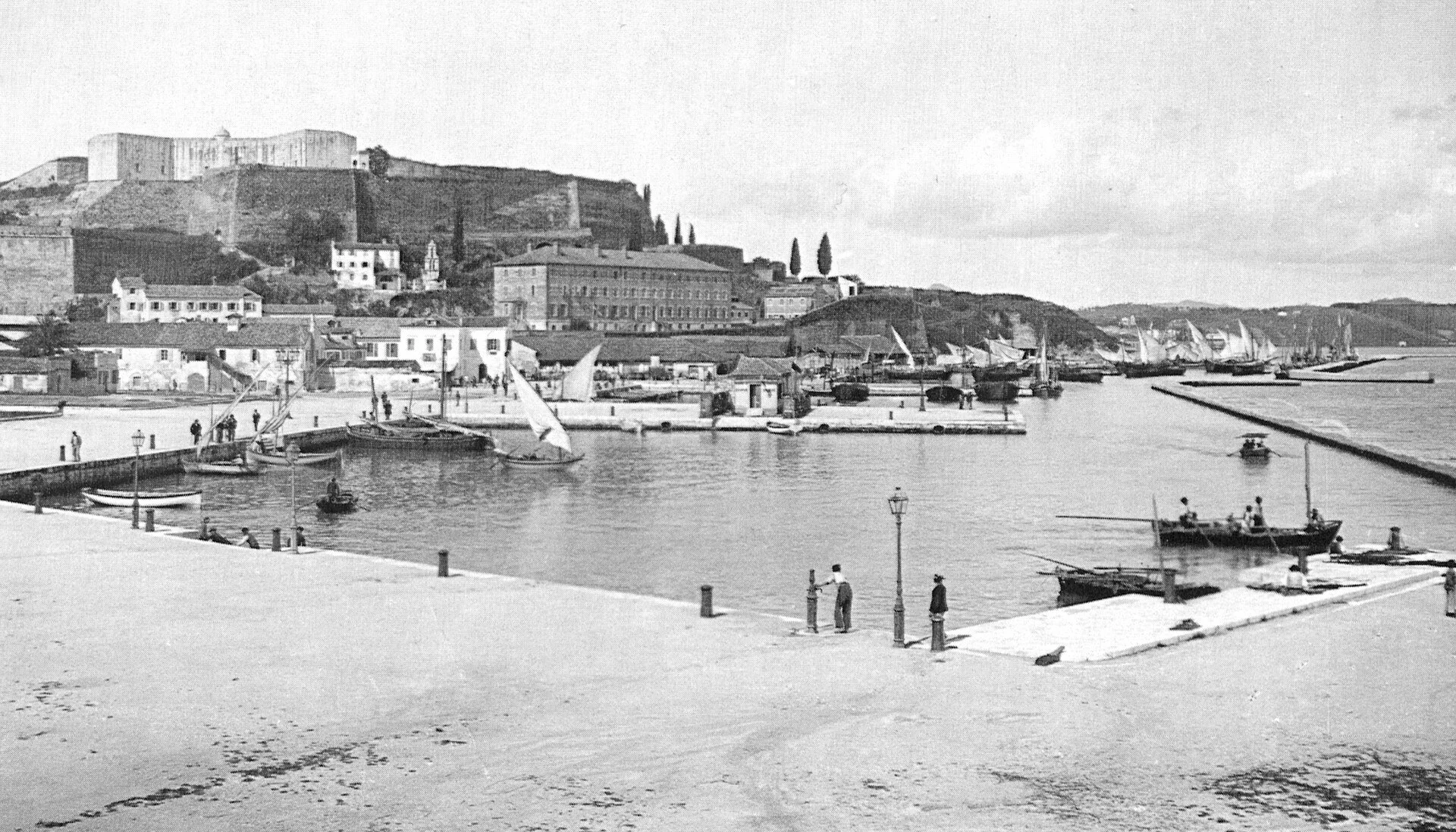
CORFU
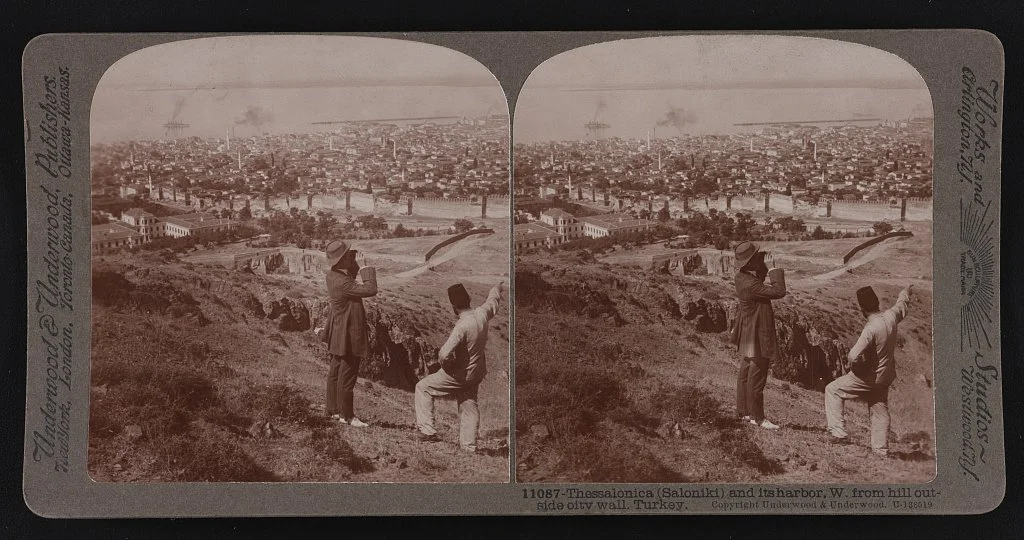
THESSALONIKI
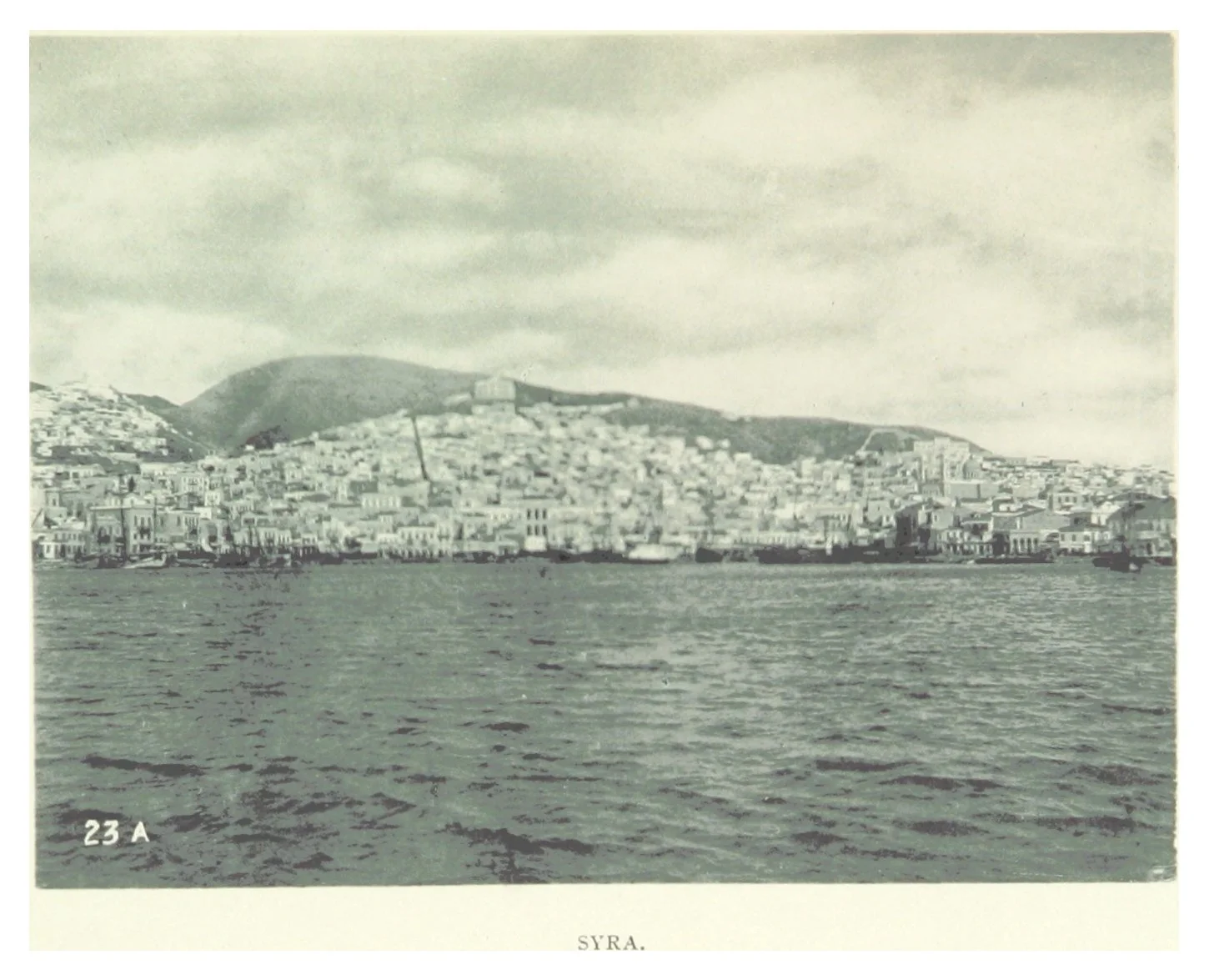
SYROS
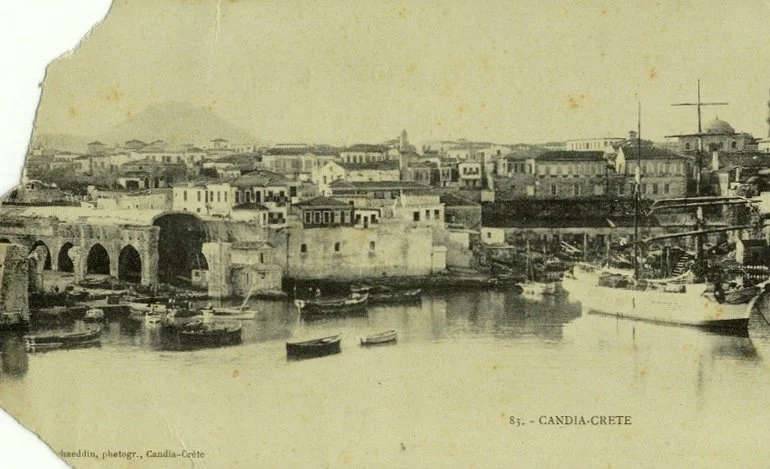
HERAKLEION
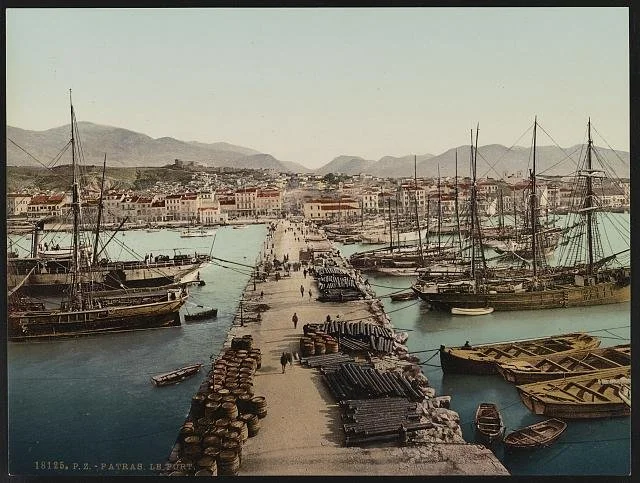
PATRAS
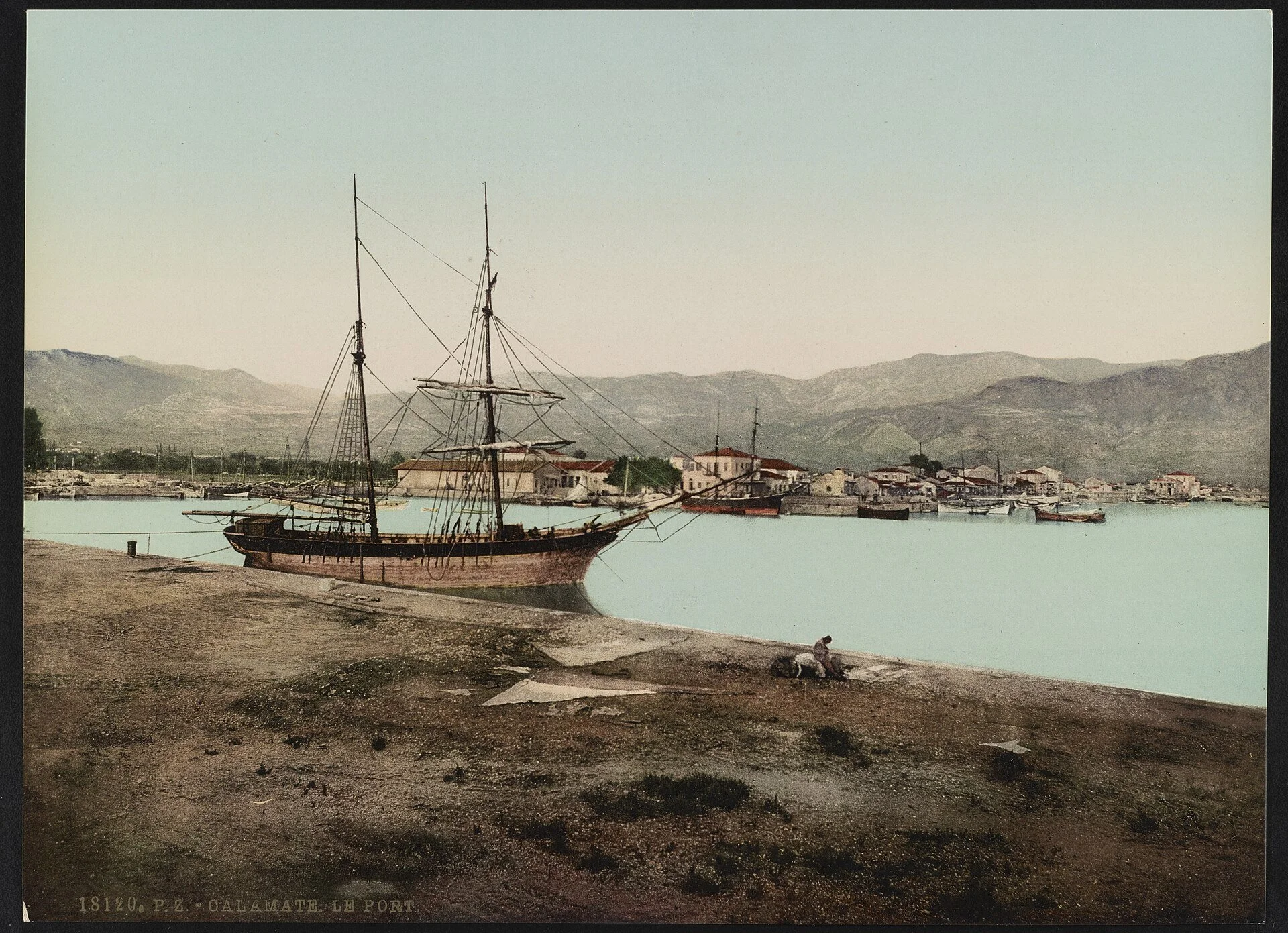
KALAMATA
PEOPLE
Georgios Giannakopoulos
Principal Investigator
City St George's, University of London
Aristides Hatzis
International Collaborator
National and Kapodistrian University of Athens
PROJECT COLLABORATORS
TBA
FIELD NOTES
Archival discoveries, research notes and updates
News and Events
TBA
PARTNERS AND SUPPORT
FUNDED BY
HOSTED BY
INTERNATIONAL PARTNERS